Comcast Business E-Commerce
Company: Comcast NBCUniversal
Platform: Web
Years: 2019 → 2022
Role: Experience Design Lead (Manager)
Design Team Size: 4 Designers, 1 Project Manager, 1 Functional Analyst
Transforming a mindset, transforming a business
Comcast Business is a mature business relative to most in the technology sector. Operationally, it's built on a legacy of close customer relationships, handled by hand, and facilitated over the phone. That's more true than ever for the sales pipeline which is conducted with sales reps who take the time to understand the businesses they're partnering with to recommend tailored telecom and technology services.
But when Xfinity found success in direct online service sign-ups, it was no surprise that Comcast Business would be interested in selling to businesses, especially small businesses, using their website. When I took over leadership of the Comcast Business Acquisition Design Team, we were beginning the pivot from pushing customers to call, to instead asking them to sign up online. This is a transition that got to the core of the purpose of the Comcast Business website, and to how the organization thinks about selling in the first place.
Growing a team
As the organizational priorities shifted to increase online sales, the Acquisition Design Team grew from two designers to five and we added a project manager and a dedicated functional analyst. Within the design team, we hired two visual designers and two user experience designers.
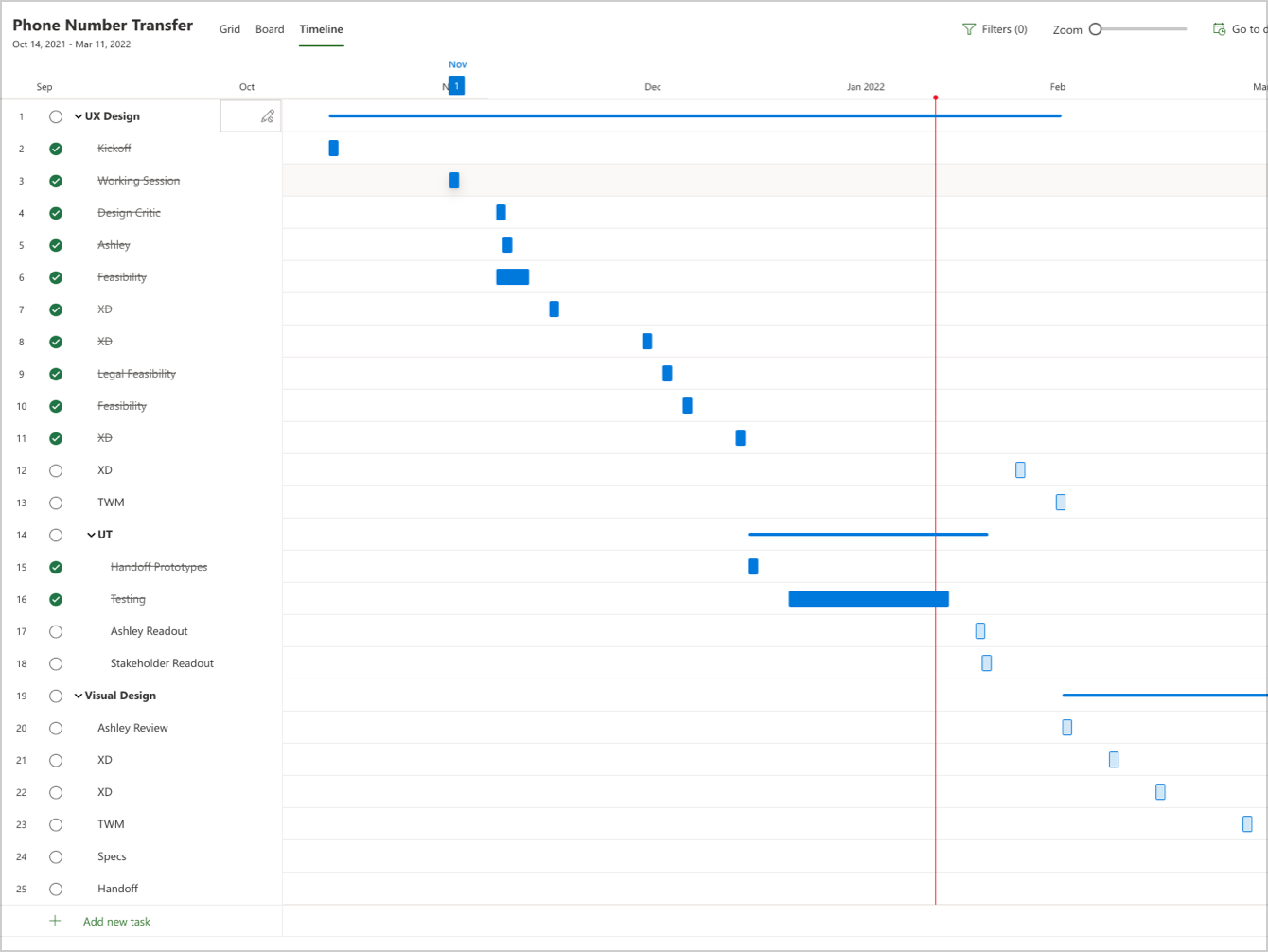
Our team had never had a dedicated project manager before, so while I worked to ramp up the new design team, I also worked with our project manager to help us stay organized around project priorities, milestone timing, and client collaboration. Having disciple around our project planning helped to give our design team clarity and confidence around timing and prioritization. We have also been able to deliver every project on schedule - a key performance indicator for client services.
As with managing any team, my role over the last two years has focused on providing feedback, direction, and help for the design team. I've spent time getting to know the different designers on the team, and seek honest feedback often from them to make sure I'm doing the best that I can as their manager.
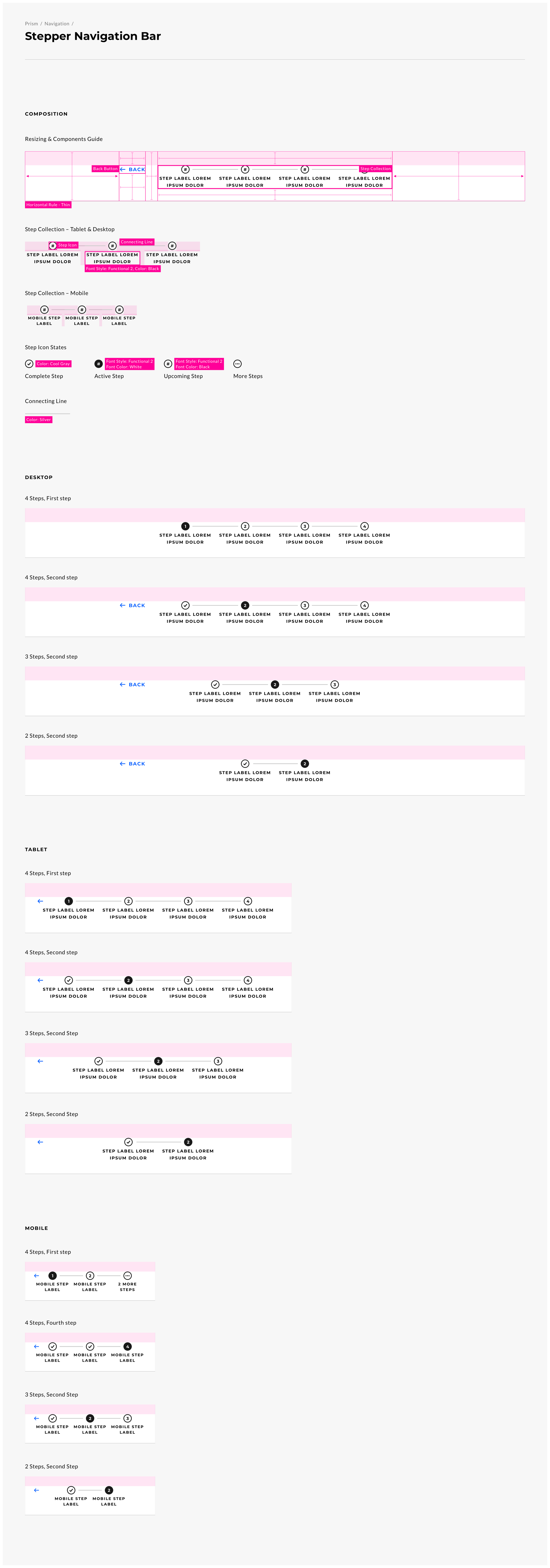
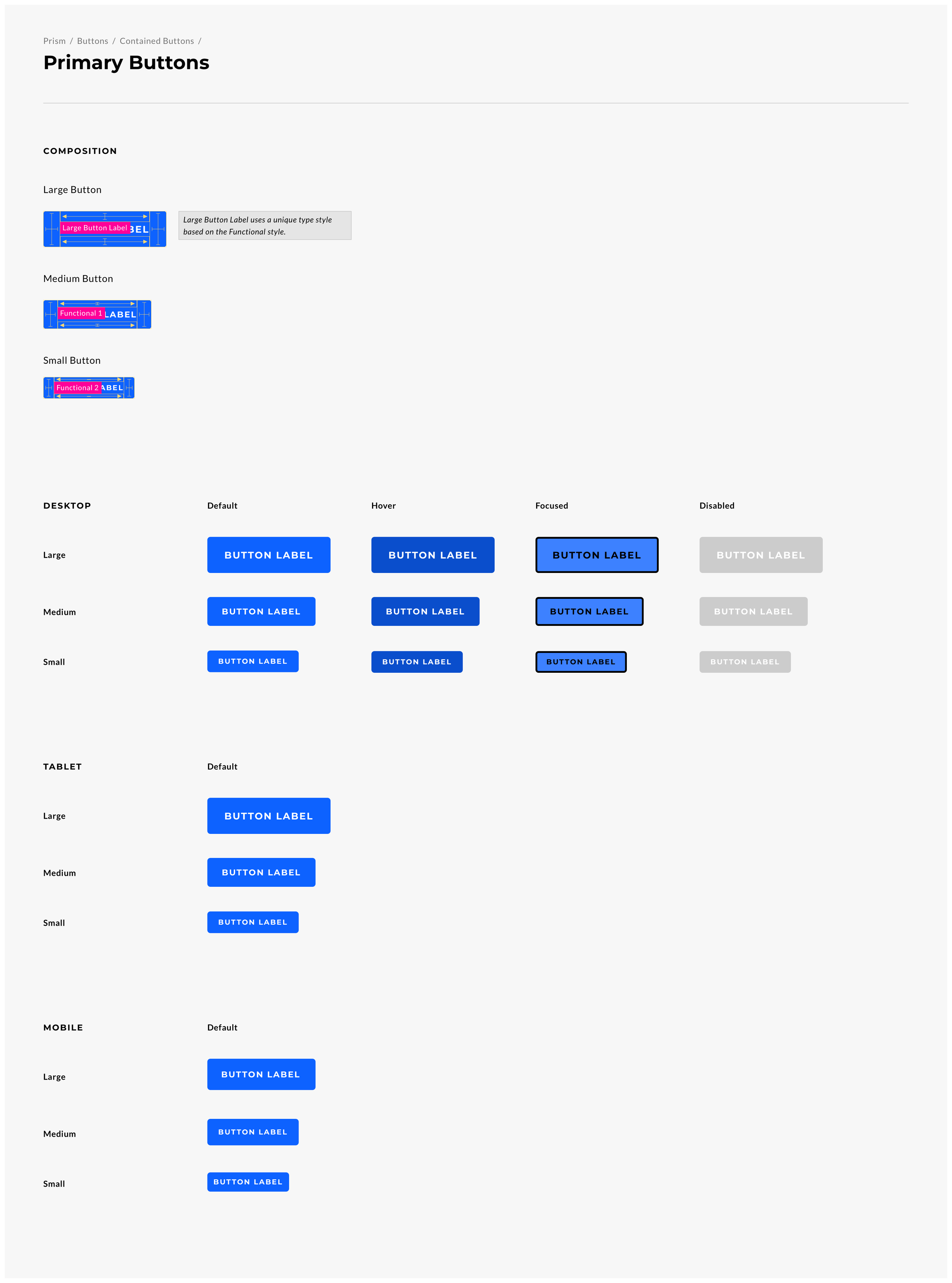
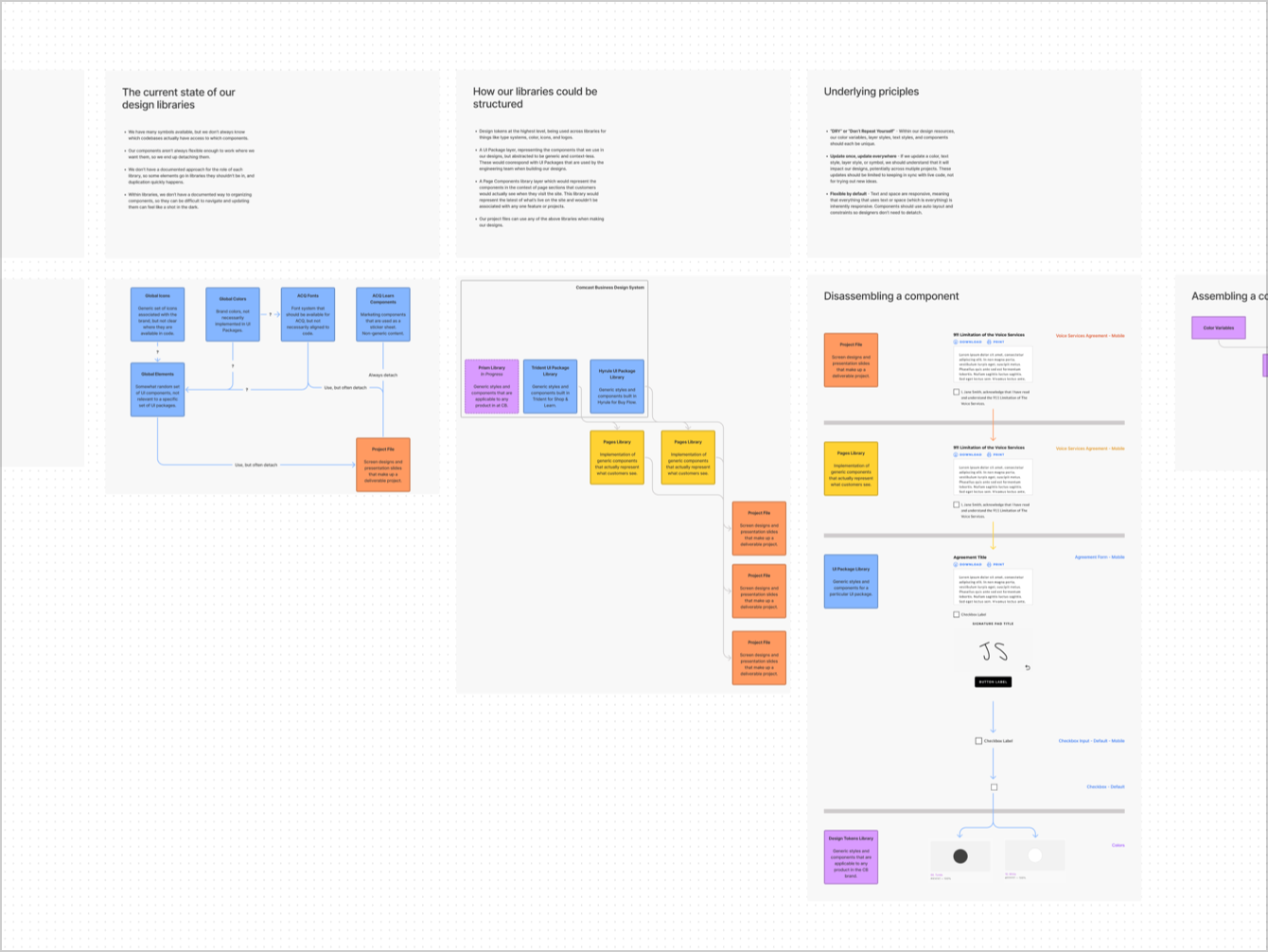
In my role, I also invested time into our sharable and reusable design library in Figma. Other teams at Comcast Business were relying on old libraries that didn't support efficiency or collaboration. But as the Acquisition design team used our libraries more, we found that we can complete more work more quickly and with a higher bar for quality. This has led us to be able to focus more on the actual user experience rather than spending lots of time on production work.
Our process
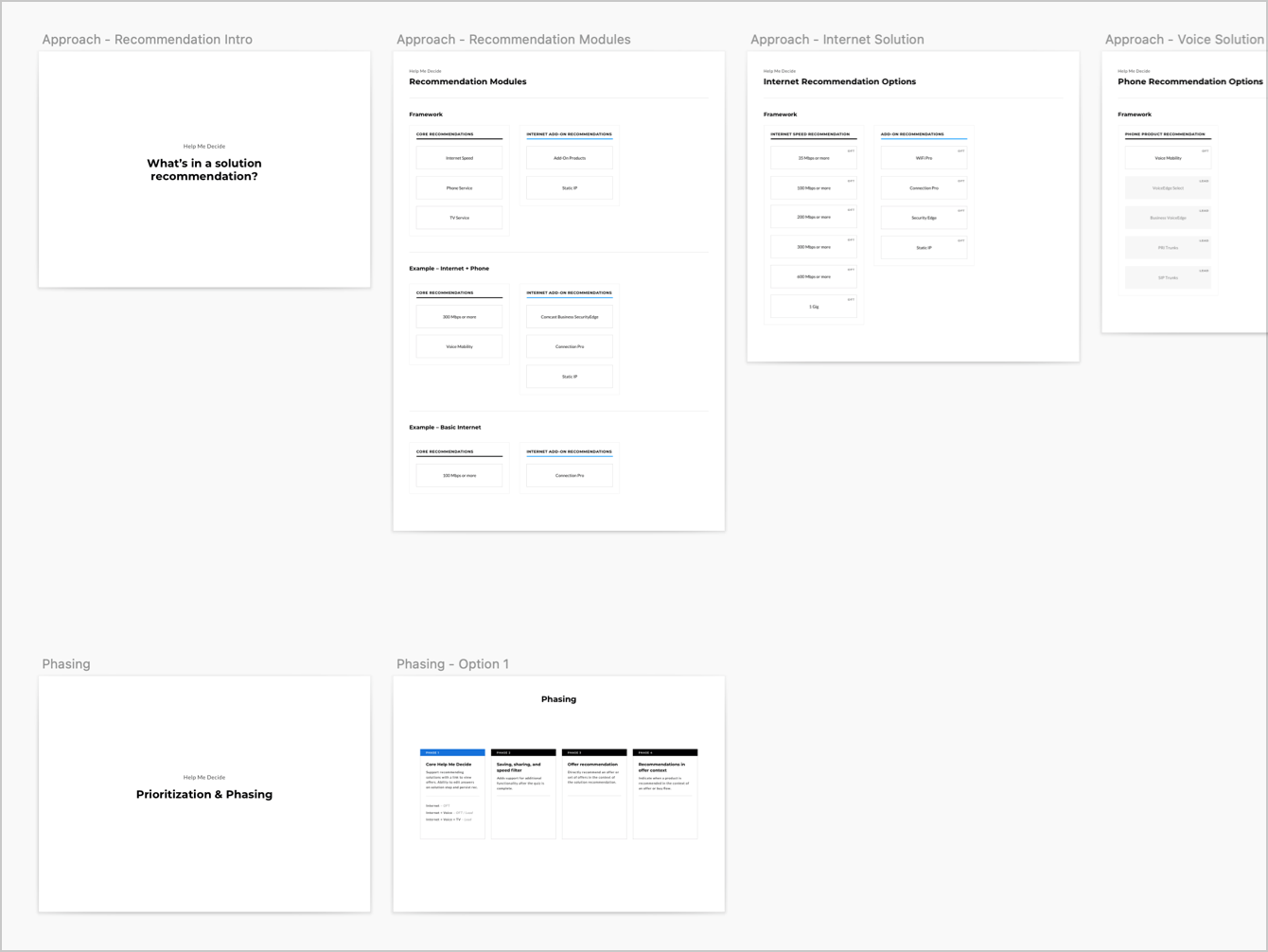
When working with our stakeholders and partners at Comcast Business, I've tried to develop a repeatable and reliable process for completing design work. We meet with the product management team early to discuss how they're thinking about a feature, then we take that back and start working through wireframes and functional diagrams that demonstrate how the feature might work. We review these designs internally as a team, and with the entire Comcast Business design team, polish our story to make sure it's easy for anyone to understand, and then begin the process of presenting and collaborating with our stakeholders. Comcast Business is a consensus driven company with ideas able to come from anyone within the company. This drives innovation, but it also means that as a design team we have to be highly organized and responsive throughout the design process.
We met weekly in a stakeholder design review with more than fifty participants, we also met with the engineering teams and legal teams throughout the process to ensure that our ideas are feasible. Design reviews go all the way to the top of the organization, and I review each project with the Senior Vice President of Digital and Customer Experience, who oversees almost all of CB's customer facing websites and applications.
We also received input from divisional sales teams, other relevant design teams, and business units. I've even had the experience of presenting work to the CEO of Comcast Business on more than one occasion.
All of this input means that our team has to be highly organized and purposeful when we tell the story of what we think the customer should experience. Tying back to the goals of the project and the organization is key, and we've found we can't be afraid of stating our opinions and providing a clear direction in order to keep projects from stagnating in design-by-committee. If our process could be summarized into a sentence, it would be: Build trust, deliver results, and repeat.
A few key projects
Over two years, the team delivered dozens of projects. But there's a few that standout since they were able to advance the Comcast Business e-commerce experience significantly.
Shop Redesign
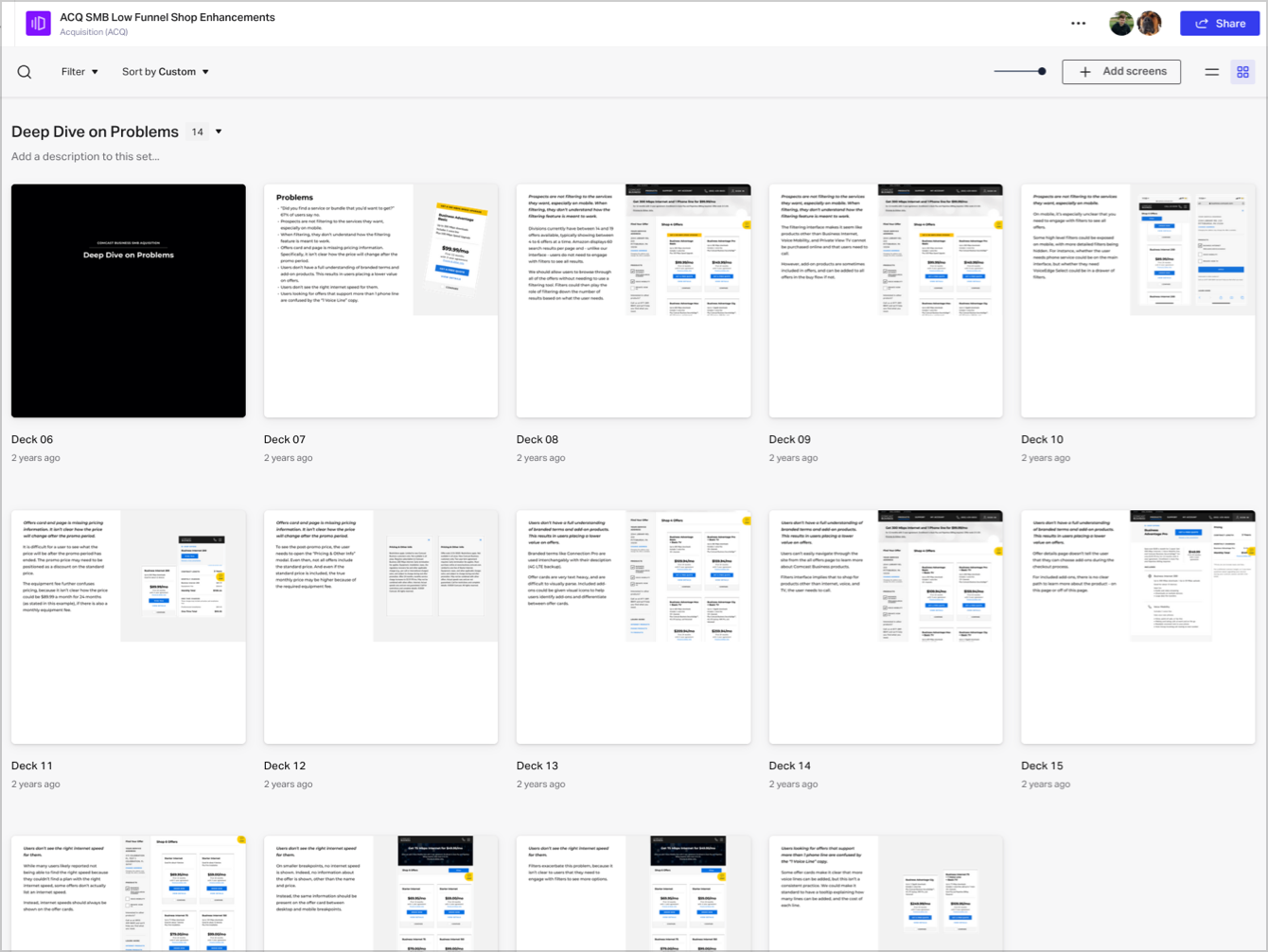
I began my time on the team looking at survey and analytics data to understand where there could be problems in the purchasing funnel. I worked with executive leadership at CB, guiding them on which features could make the most sense to start to tackle funnel problems one by one. Those projects turned into a major piece of our 2020 product roadmap, and had a positive impact on online sales.
I framed the issues I was seeing in the data around user experience problems that could be happening in the site's design. For instance, survey responders said that they weren't aware of phone service being available online, so that meant that they were probably having issues using the filtering feature which they would have to interact with to view those offers.
Each new idea for how the site's design could work was packaged as an A/B test with the existing design. As the new designs succeeded, we were able to measure actual performance improvements which allowed the analytics and business teams the ability to estimate future sales growth.
Help Me Decide
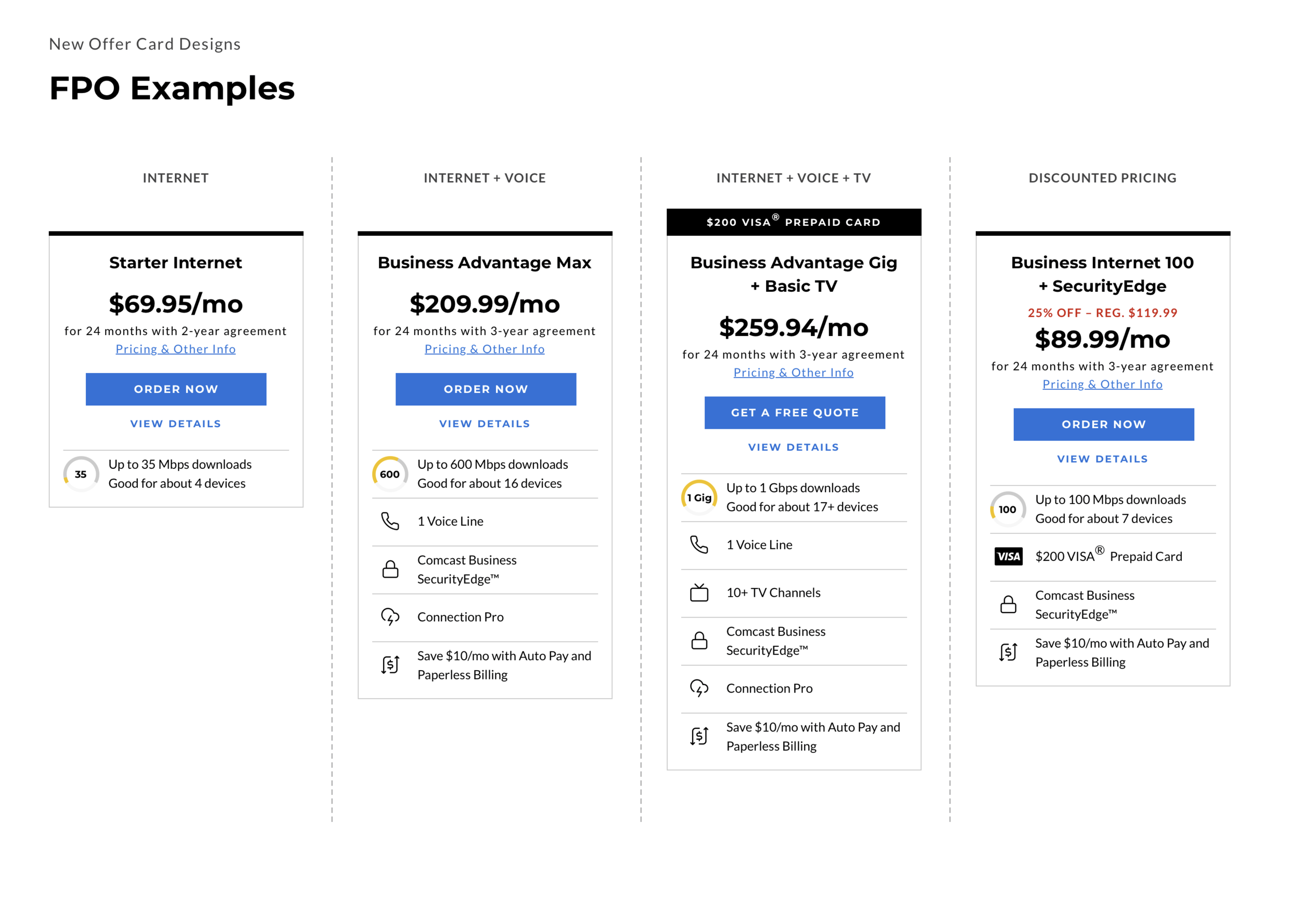
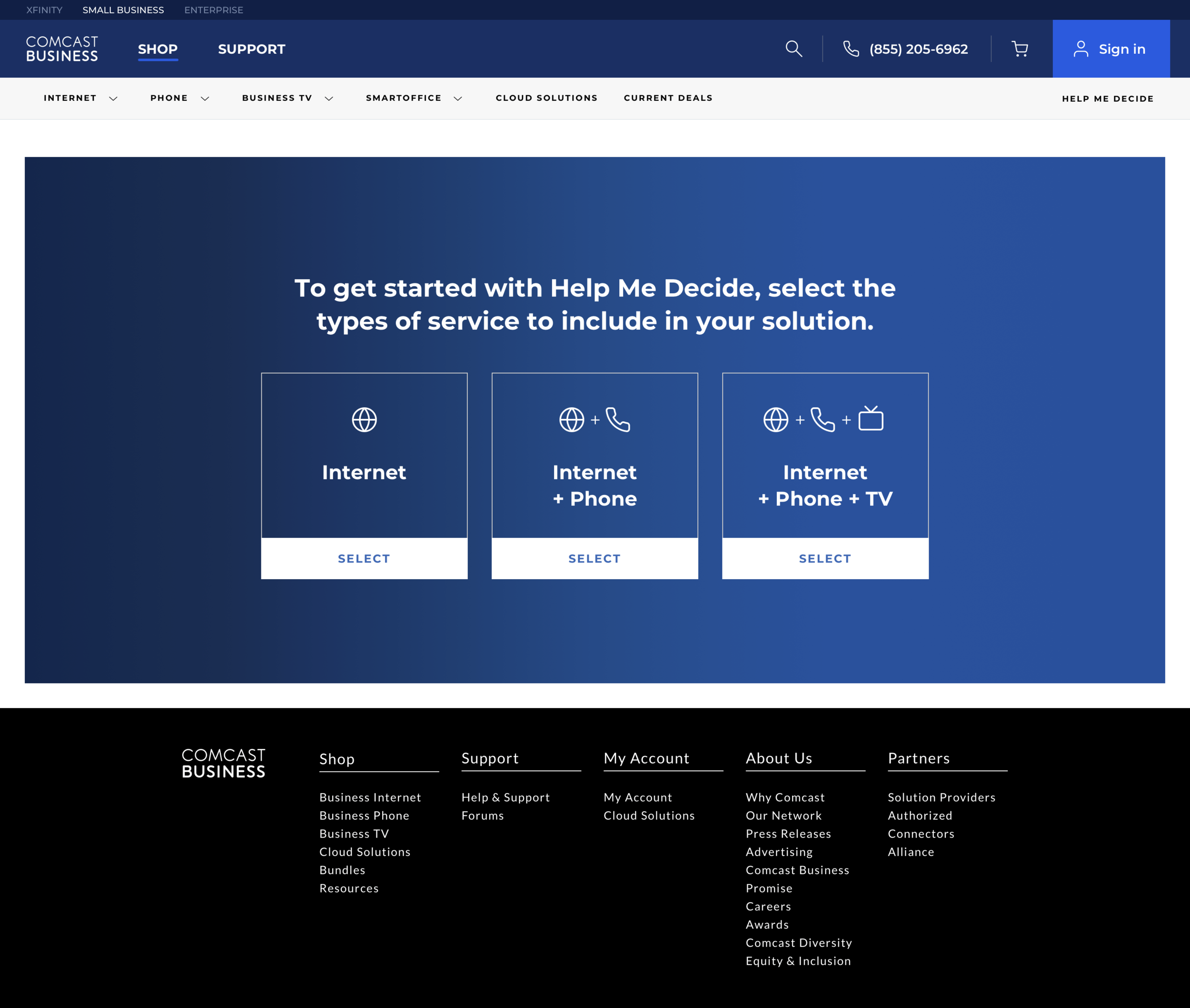
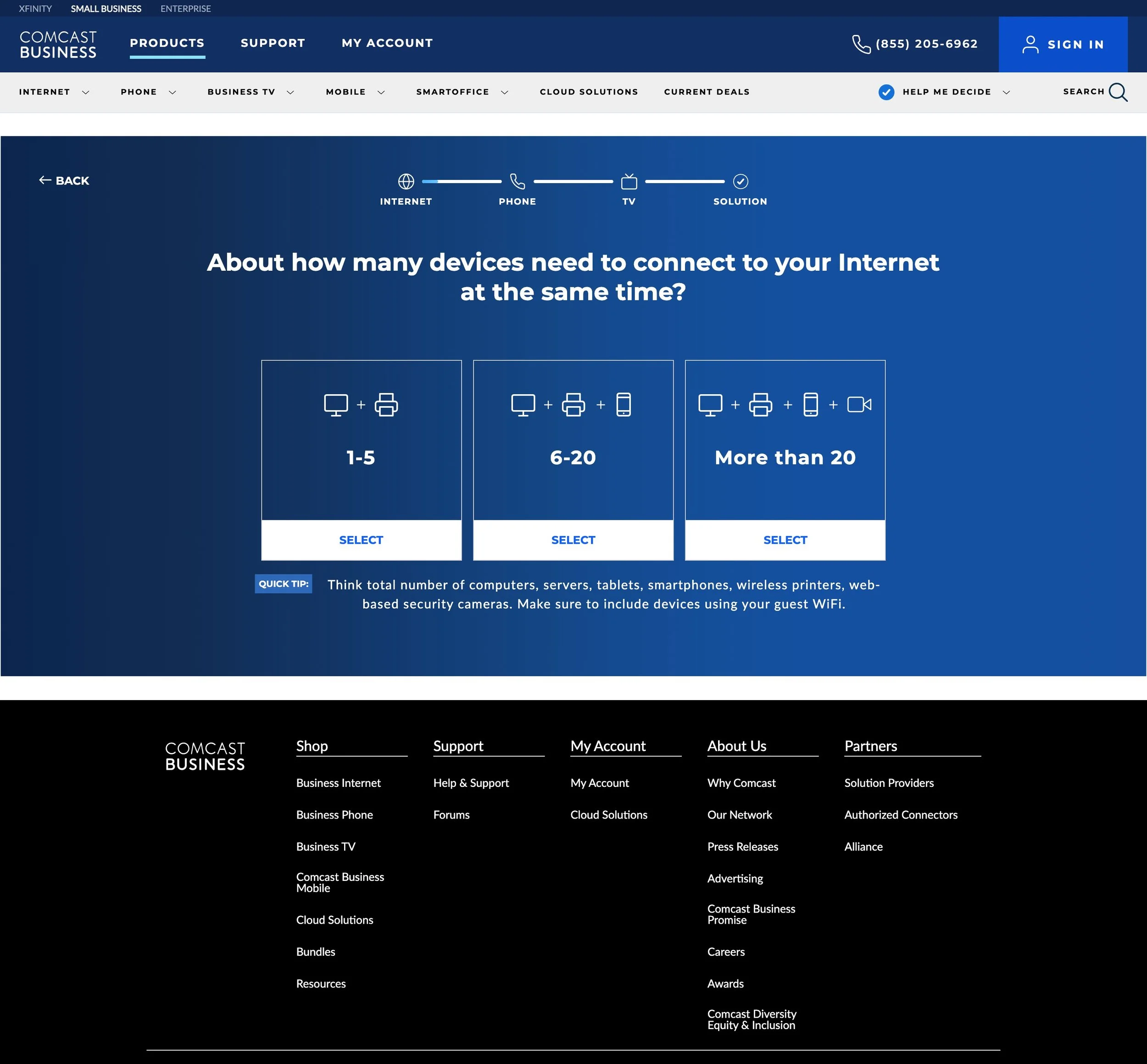
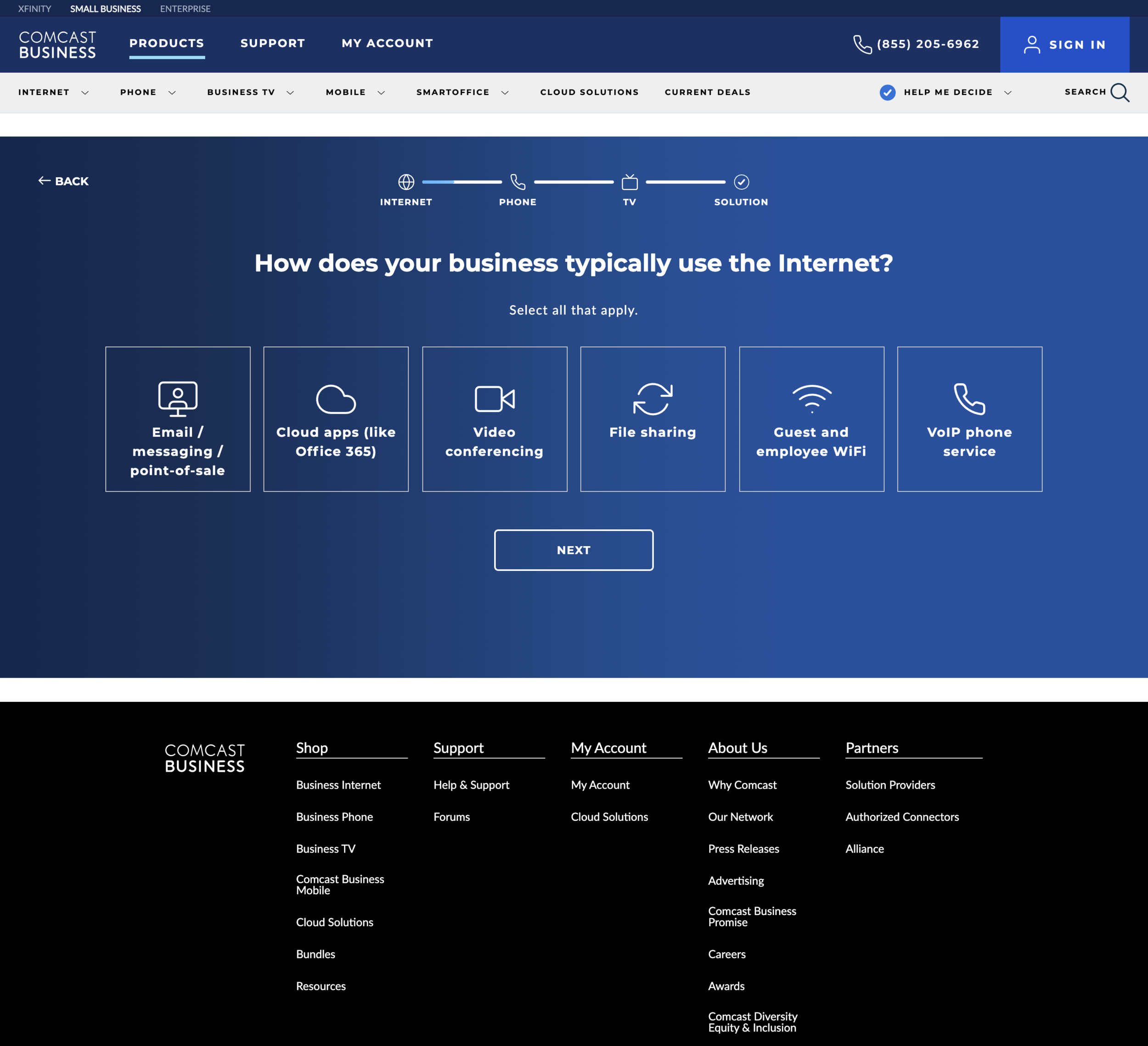
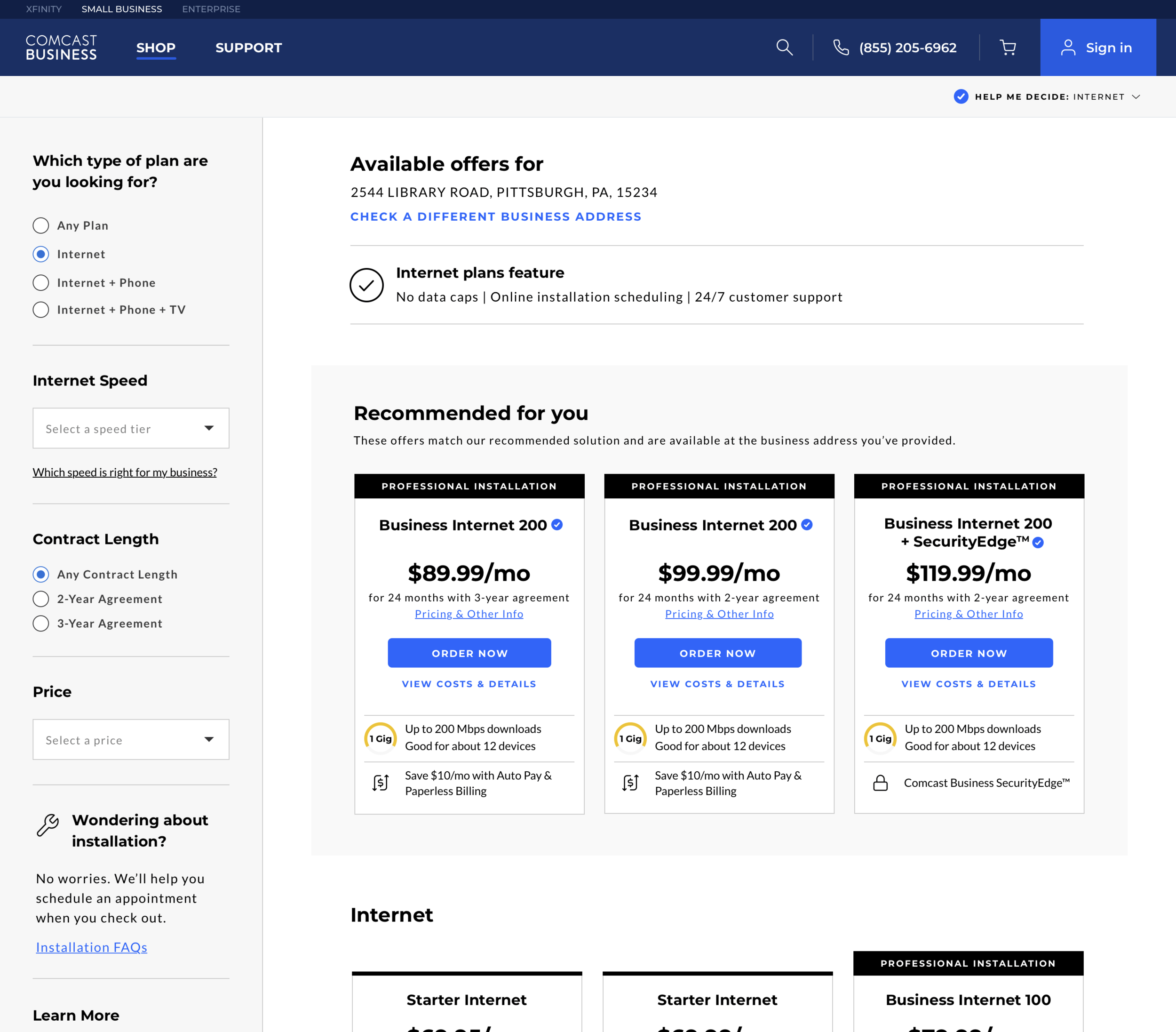
Deciding on which products and services to purchase is a big moment for CB's customers. That's especially the case for the small businesses we worked with who typically don't have a sophisticated IT team. Because of this, customers have a tendency to call CB if they want us to provide a recommendation.
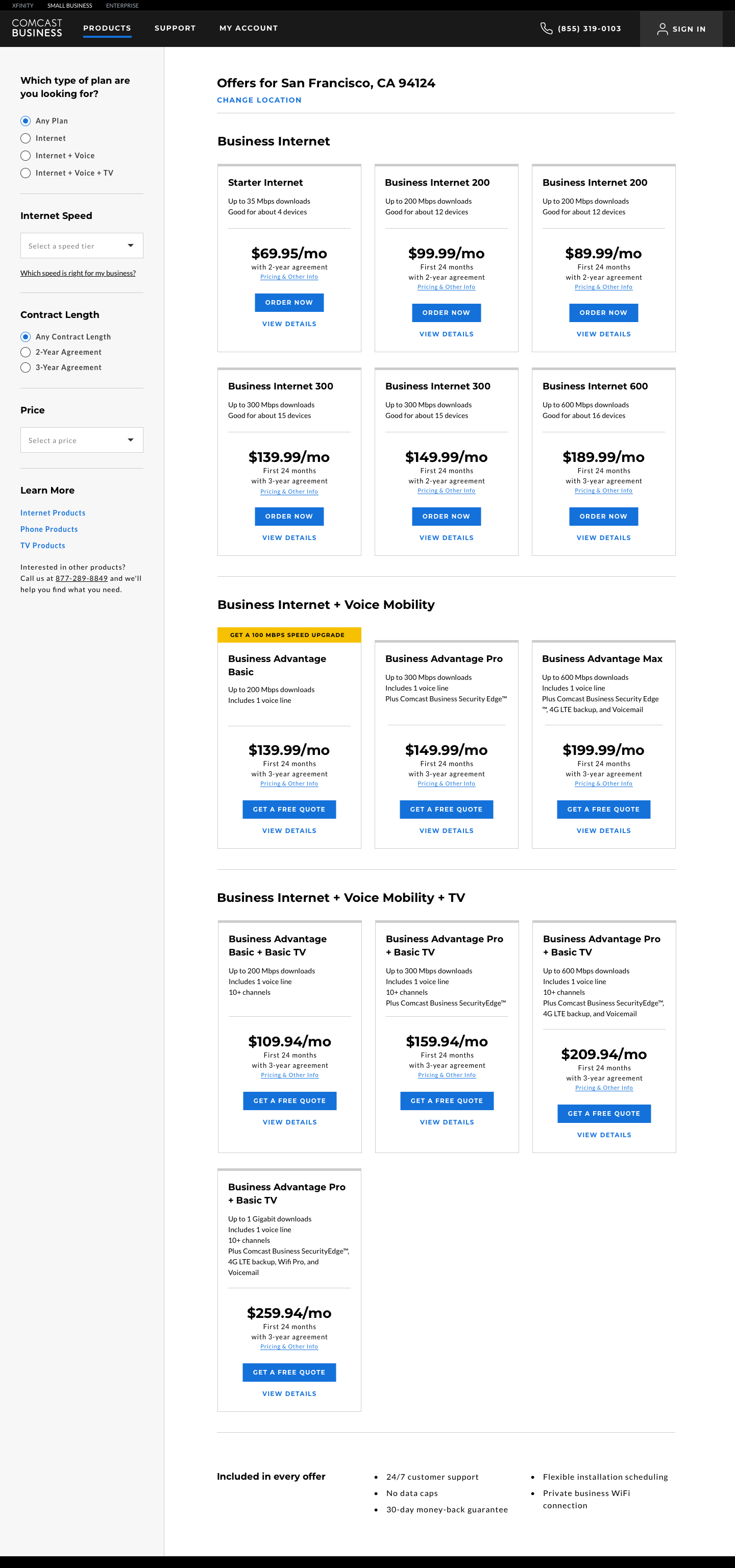
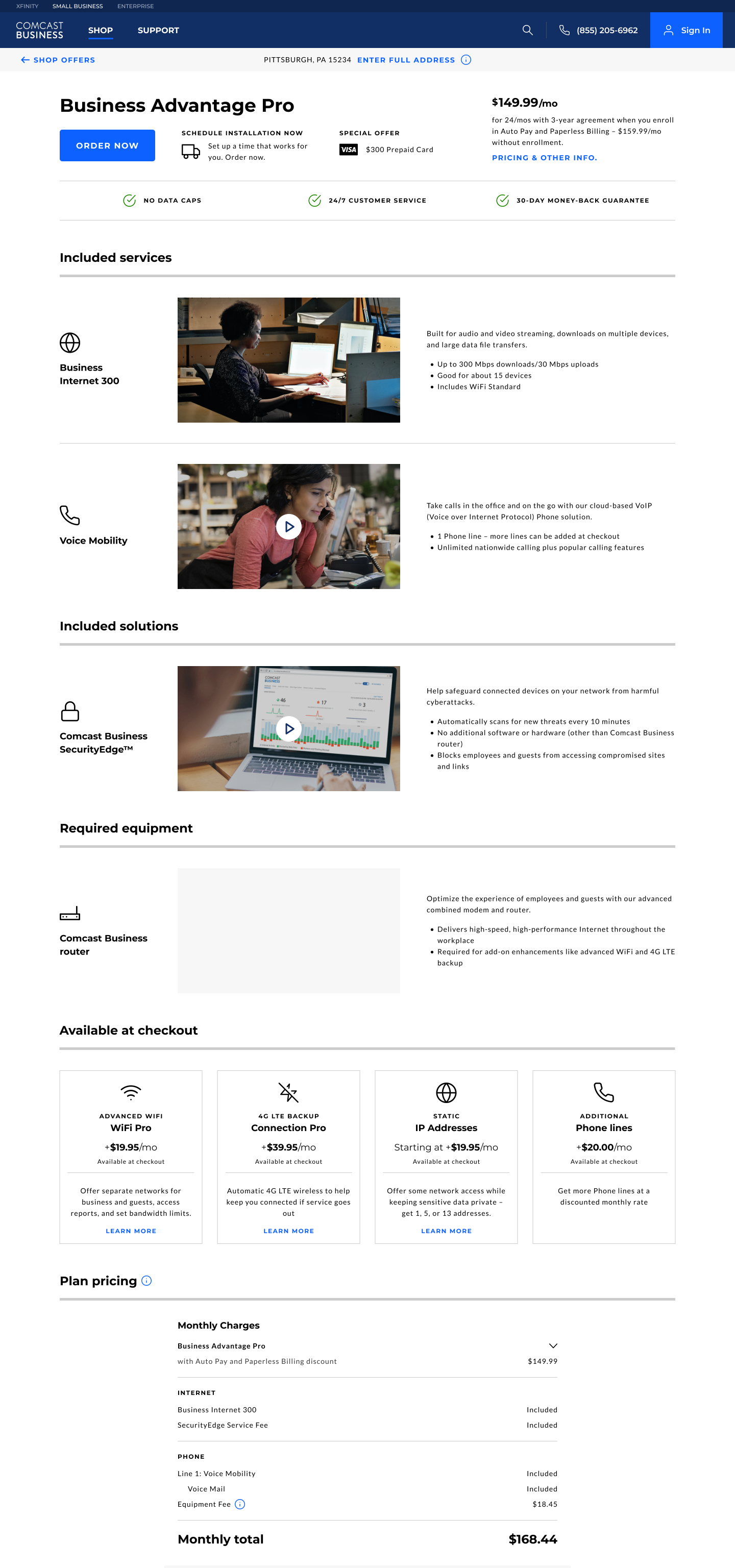
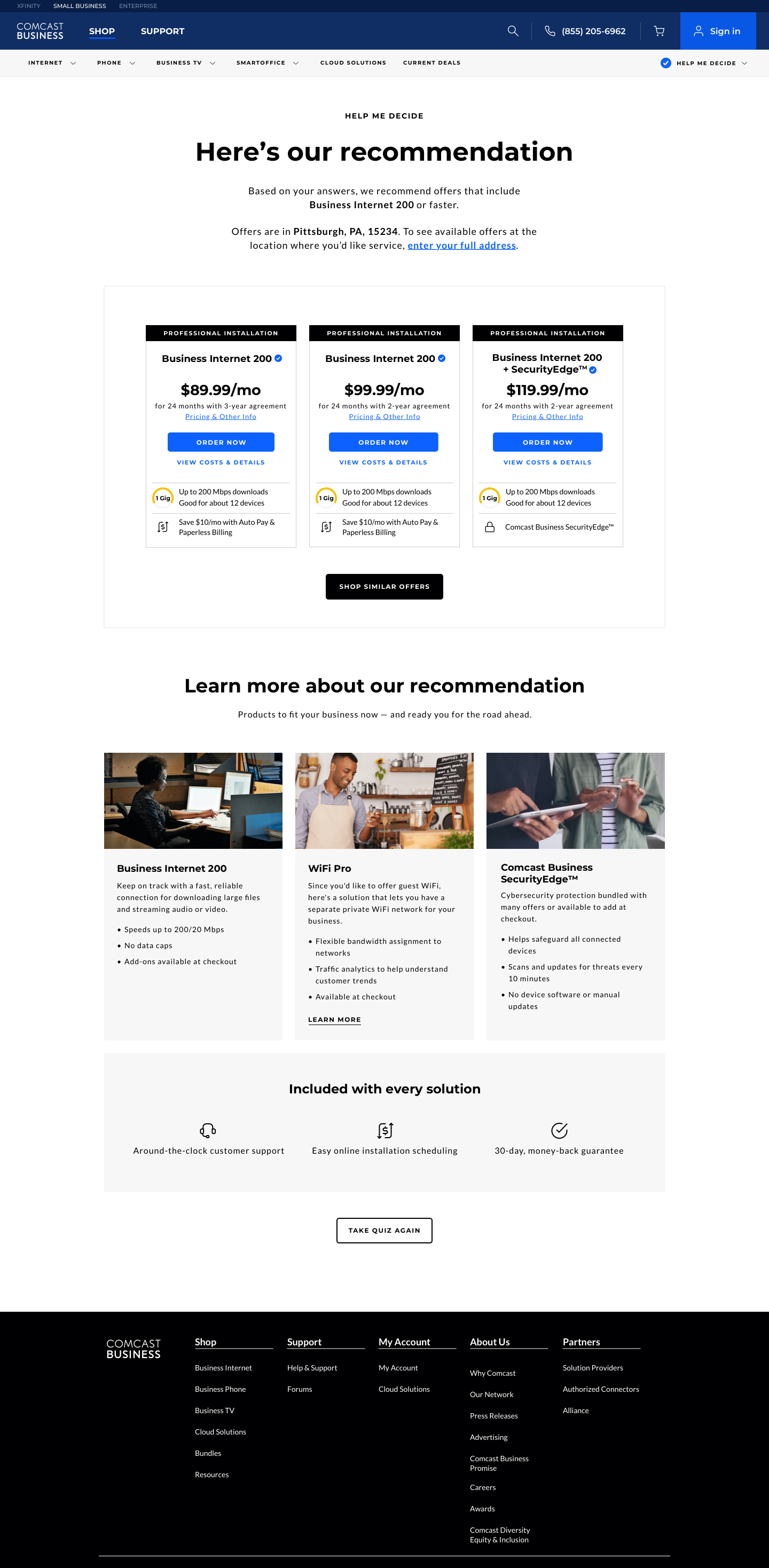
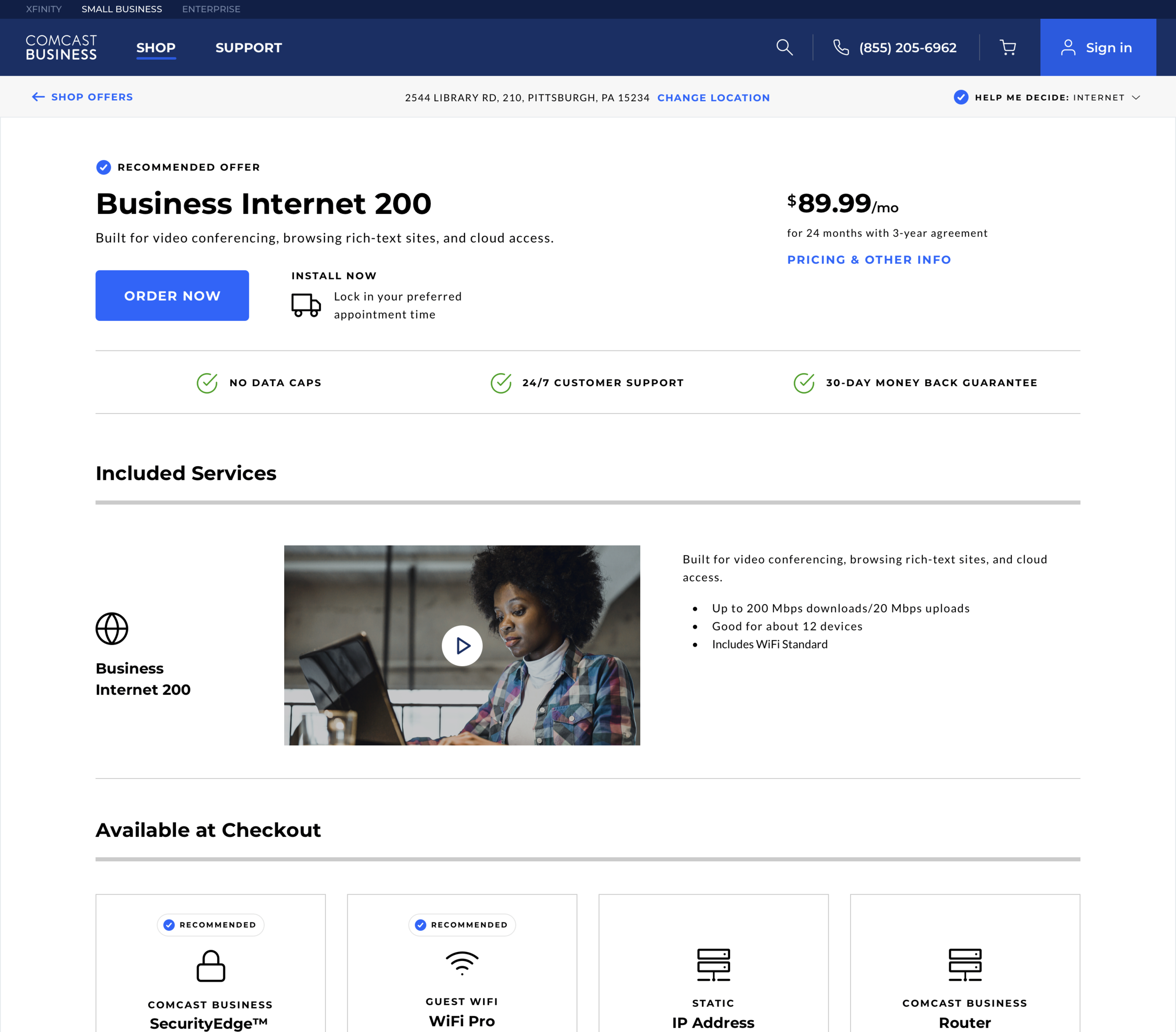
So we set out to create a new experience on the site that could provide a product recommendation based on questions the customer would answer about their business. We created a quiz that mapped back to all of CB's products and services, with the resulting recommendation being completely dynamic. From the recommendation, the customer would be able to see actual offers and pricing so they could complete their purchase immediately.
Sales-Rep Supported Purchase Flow
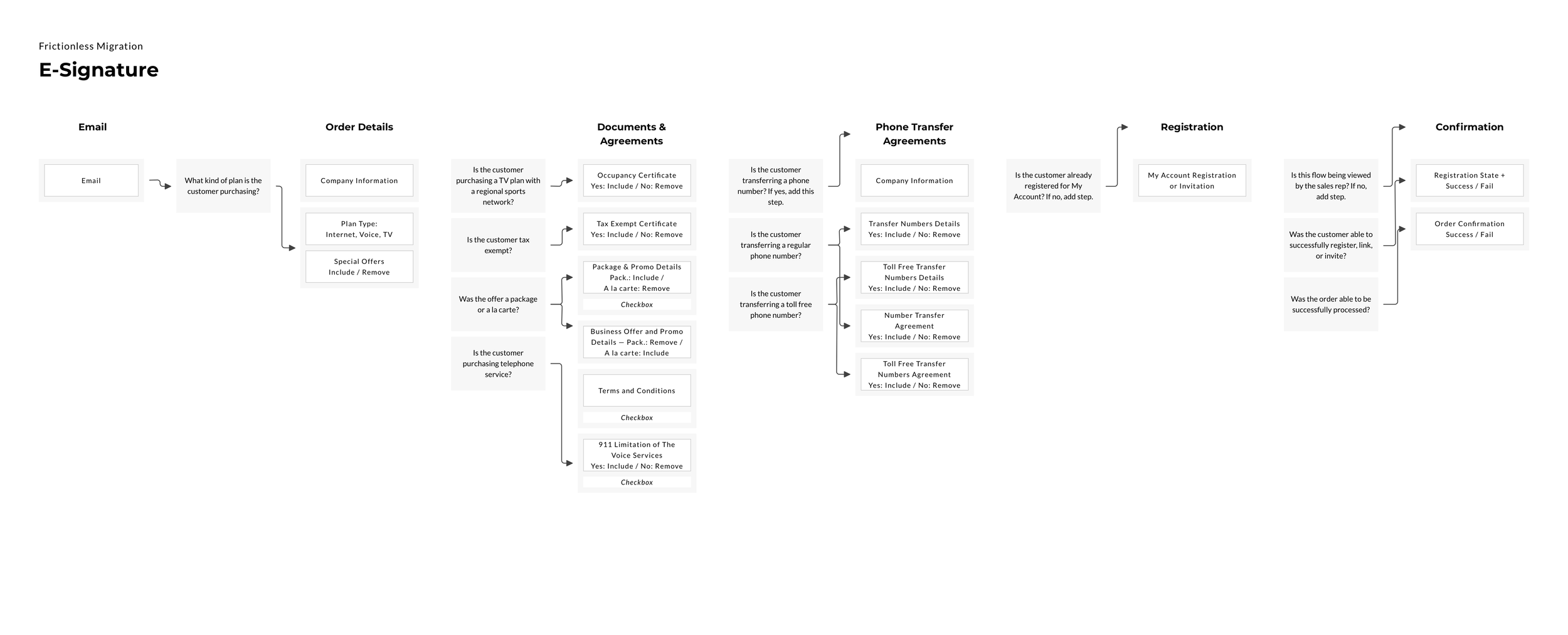
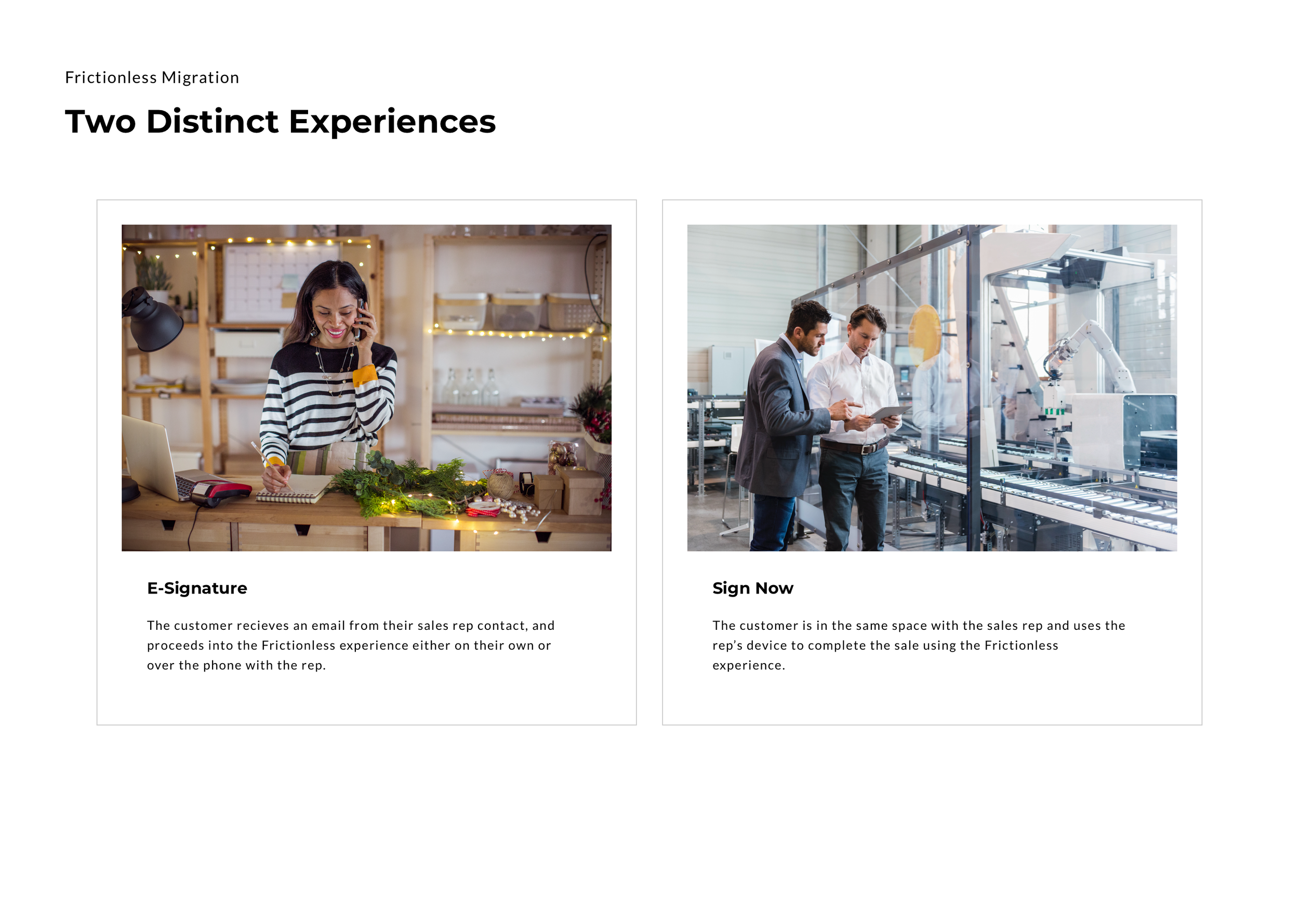
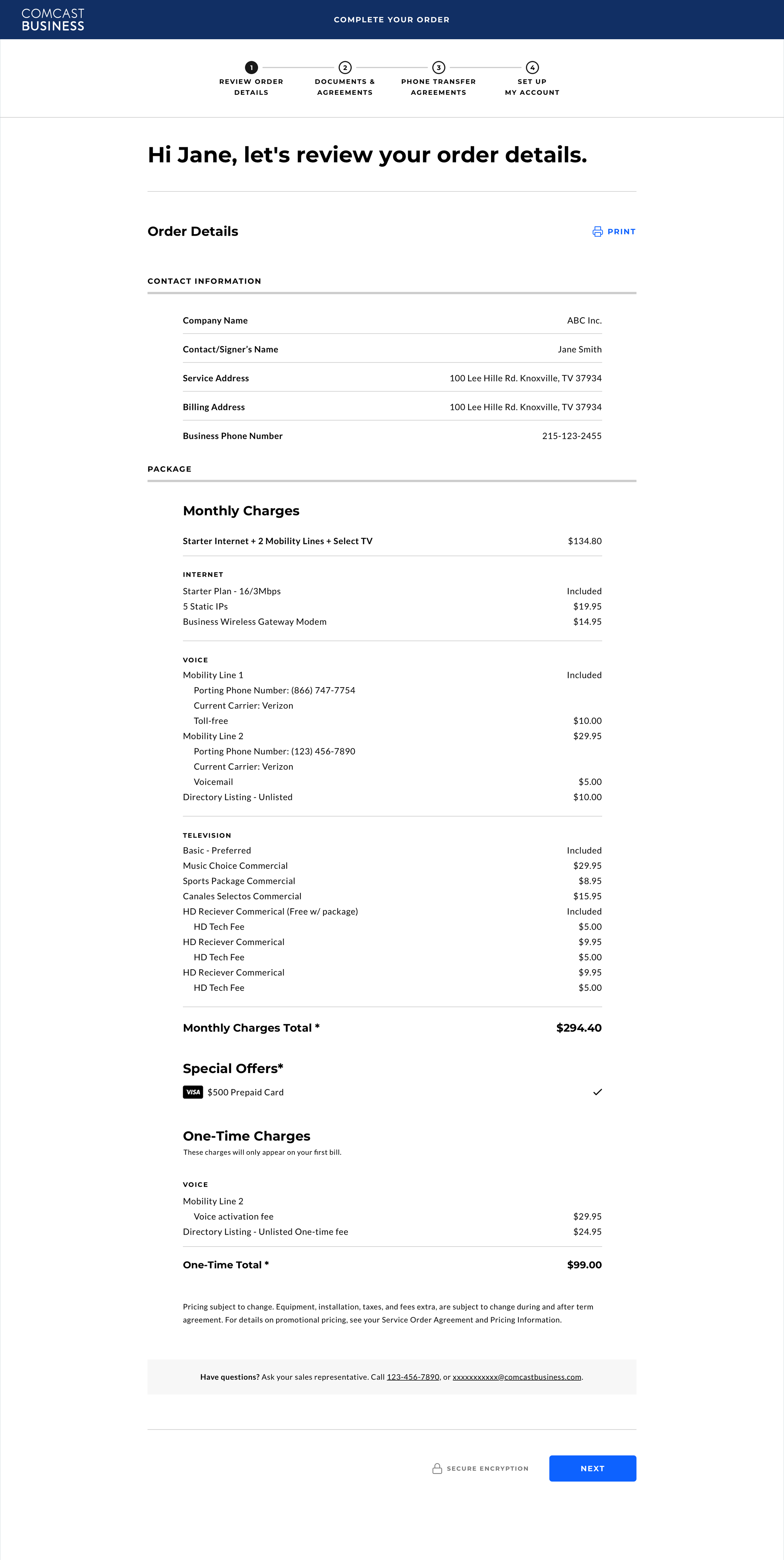
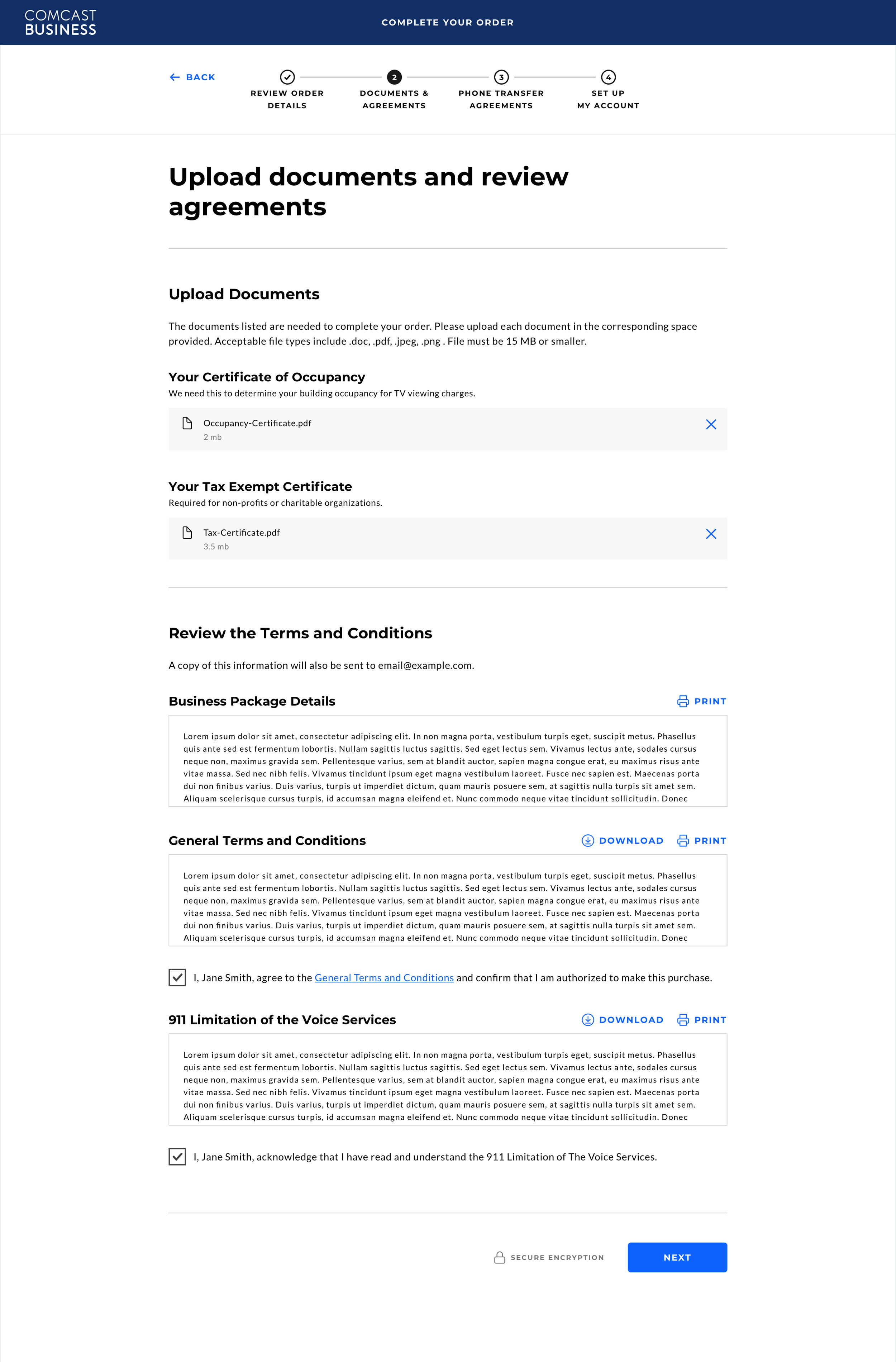
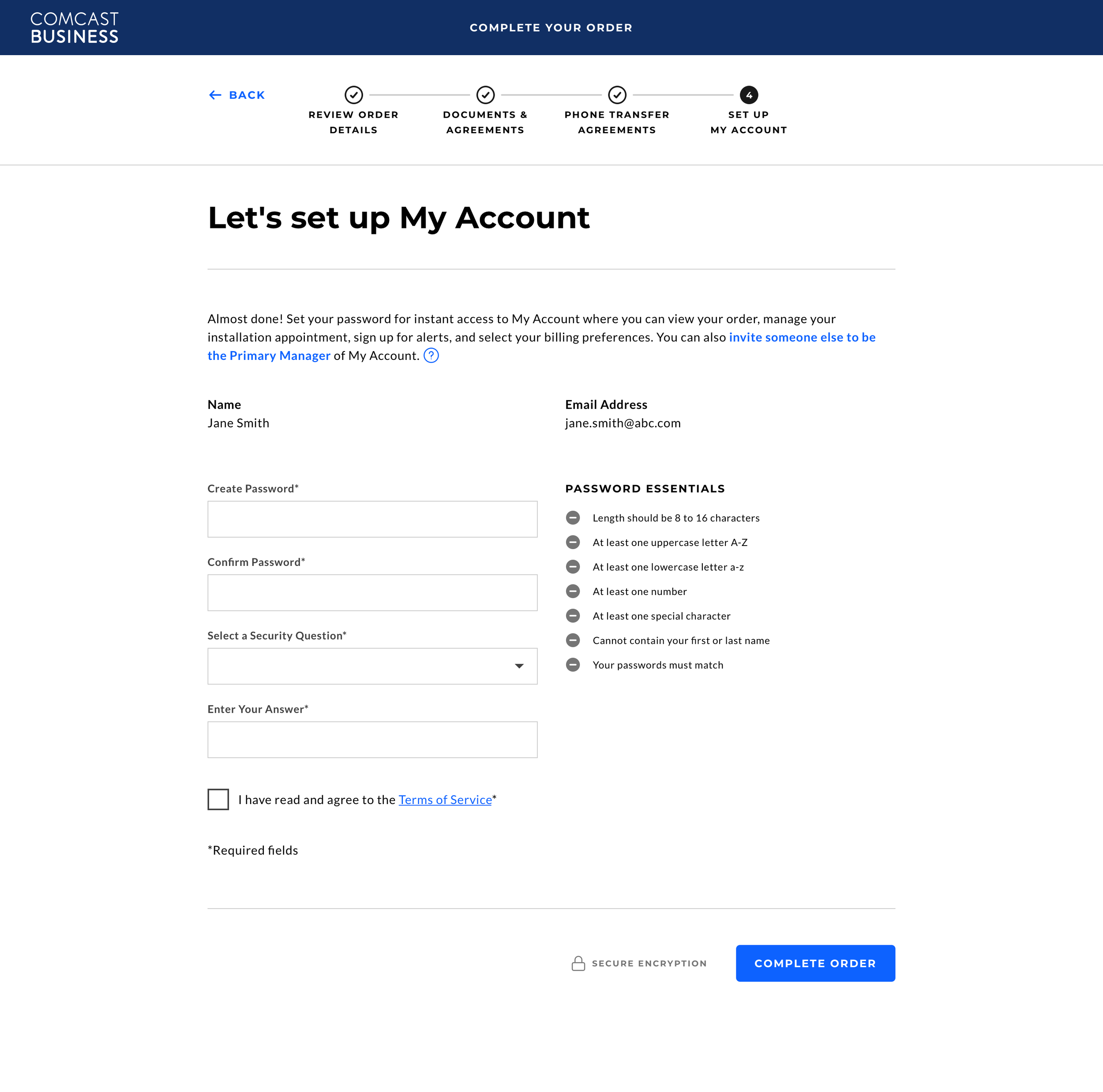
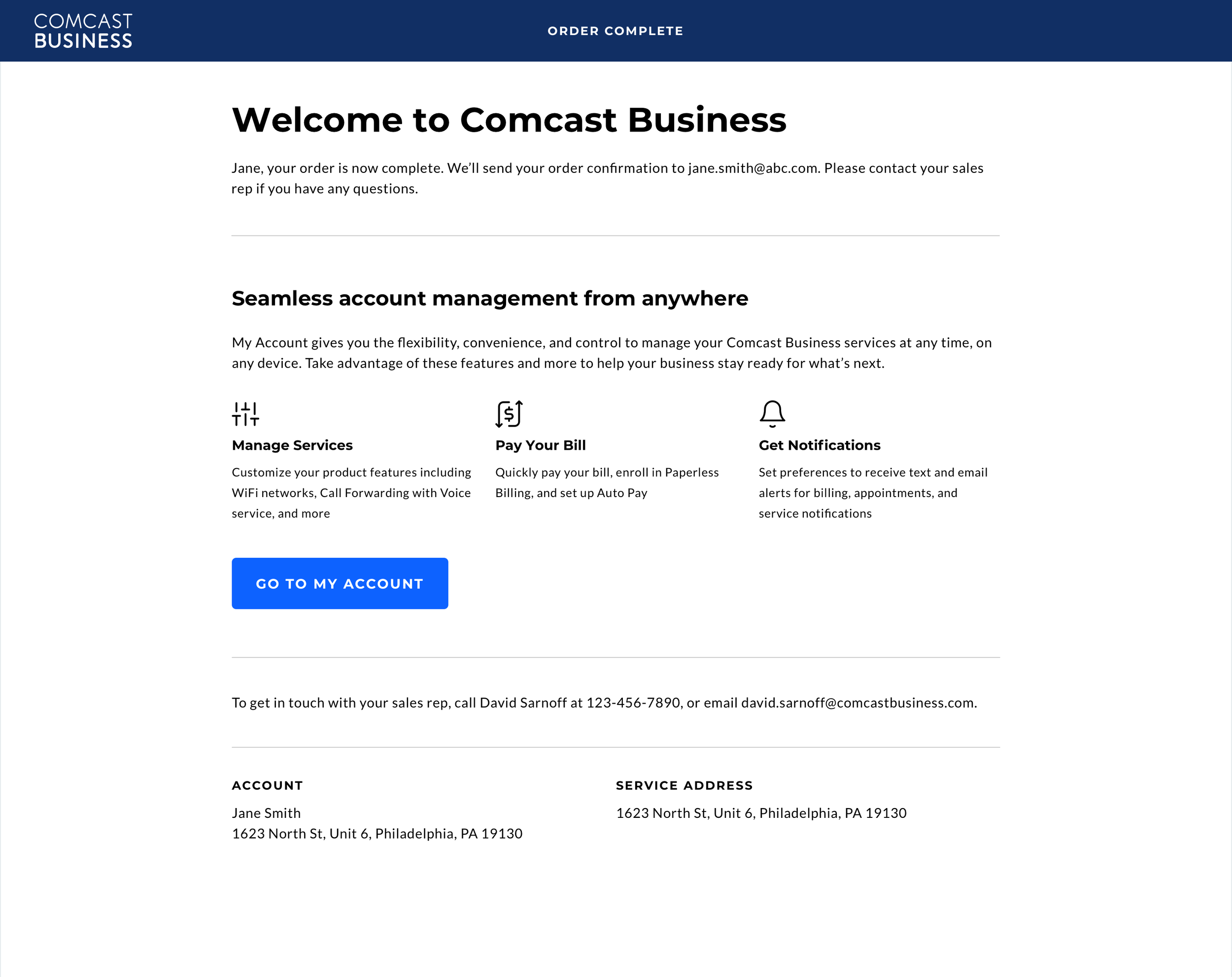
Most non-digital sign ups are done with the help of a sales rep over the phone. But the sales rep still uses a CB web app for the customer to complete their purchase and sign legal agreements. This web app had been left in a non-maintained state for some time, making it difficult to upgrade and keep aligned with CB's overall design language.
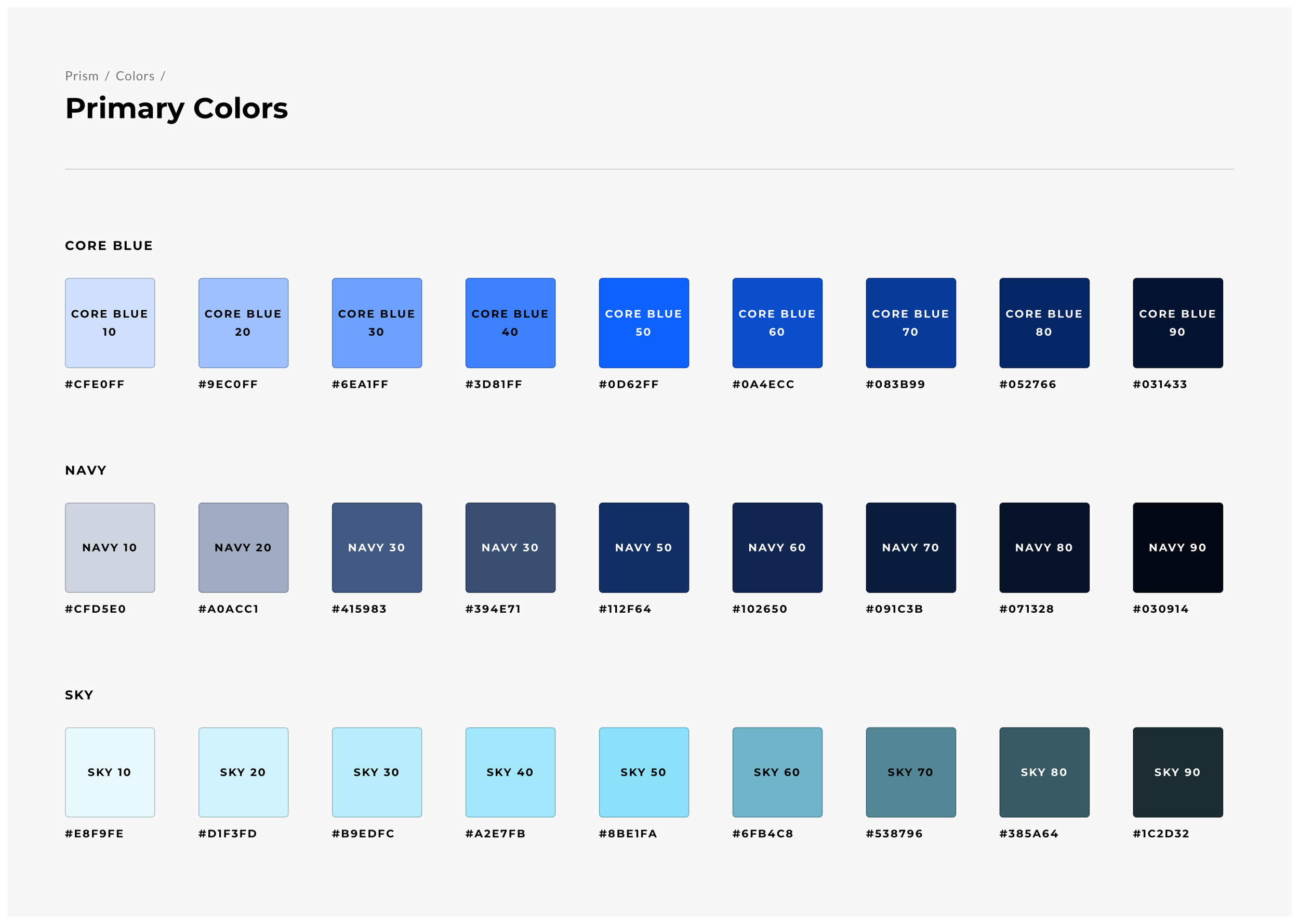
Working closely with the CB engineering team, I led an effort to not just bring this application up to date, but to use it as a case study for a global design-token based UI framework that could be leveraged across CB's ecosystem of apps and websites. Working at the Comcast corporate level, we were able to leverage existing work that had been done for the Xfinity brand.
On the design side, I also used it as a case study for how design teams could setup highly reusable and flexible design libraries to increase design efficiency and reduce production time.